


Learning to See Differently
Sunday, July 19, 2026 - [click here to support the continuing work at MOHI]
Today's update is from Jonathan and Taran
One of the greatest gifts of ministry is the way it changes how we see the world.
Sometimes that happens through serving alongside new friends. Sometimes it happens when we meet a child whose future can be changed through sponsorship. Sometimes it happens in a clinic, where compassionate care brings answers and hope to a worried family.

And sometimes it happens through the simple realization that another culture may express care, concern, and community very differently than our own.
This week, we are grateful for the many opportunities God continues to give us to learn, serve, and grow together.

Welcoming Fear Into Faith Ministries
Yesterday, we welcomed a team of 27 people from Fear Into Faith Ministries to the Mission House in Luperón.
Taran, Lex, and Renee arrived on Thursday and immediately began a full schedule of preparations to receive our new friends. Hosting a team of this size takes a tremendous amount of work behind the scenes—from organizing rooms and activities to shopping for enough groceries to feed everyone throughout the week.

We are excited for the days ahead and for all the opportunities this team will have to serve, build relationships, and experience the work happening in the Dominican Republic.
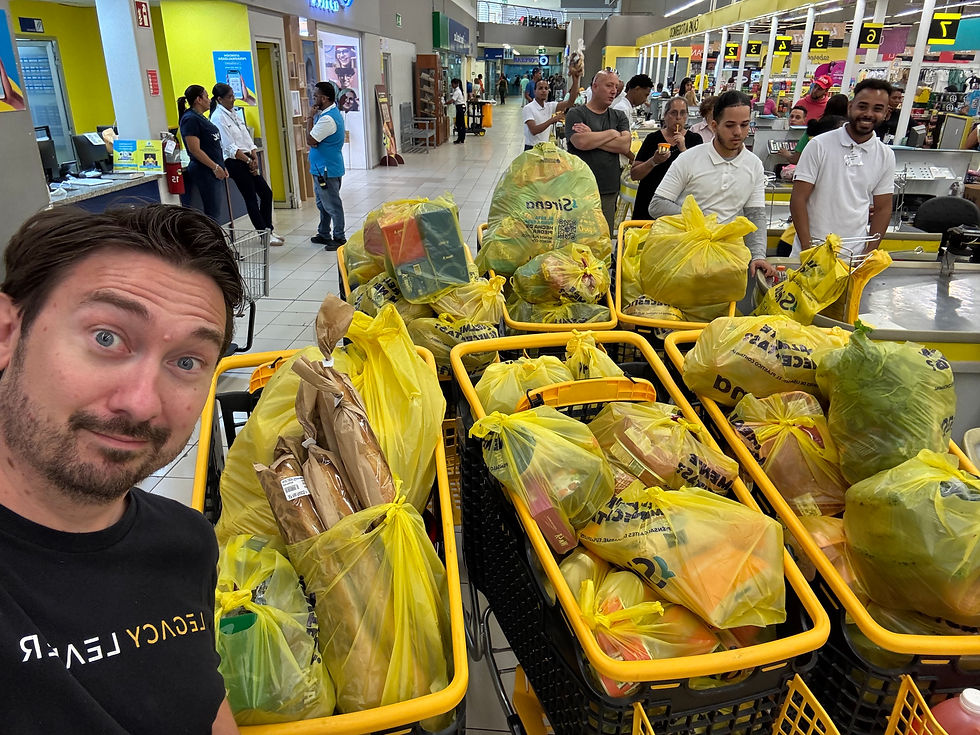
Please keep the team and our local staff in prayer throughout this busy week of ministry.
A Sweet Moment from the Family HOPE Encounter
We are still sorting through some of the wonderful photos from our recent Family HOPE Encounter and wanted to share this special moment.
Renee, Alexia, and Micha worked together to divide pieces of cake so the children in La Grúa could enjoy a special treat.
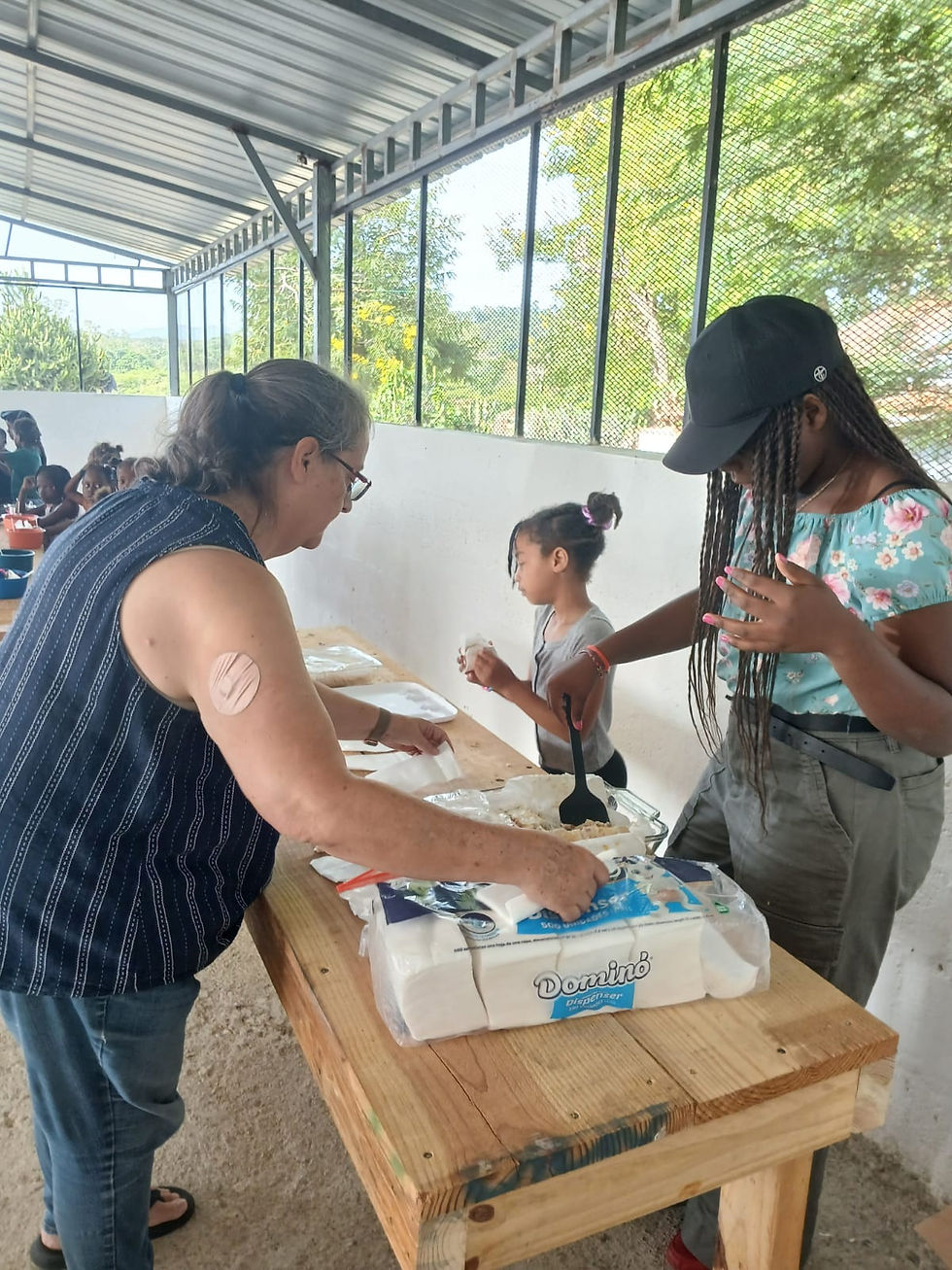
It was a simple moment, but those are often the moments that matter most.
Children serving together. Families creating memories. A sweet treat shared among new friends.
Experiences like these remind us that meaningful ministry often happens through small acts of kindness that communicate joy, generosity, and love.
A New School Year Begins with Sponsorship
Enrollment has begun for the 2026–2027 school year.
Each year, approximately 800 students attend our two schools in Haiti. For many of these children, access to education would not be possible without the generosity of sponsors.

A monthly sponsorship of $41 helps provide:
Christian education
A school uniform
Books and classroom materials
A daily meal at school
Access to medical and dental care
Several children currently featured on our website are in especially urgent need of sponsorship.

Becoming a sponsor is a simple way to make a lasting investment in a child’s education, health, and future.
Meet children currently waiting for sponsors:https://www.mohintl.org/sponsorachild

Did you know that Haitian schools include thirteen grade levels?
This past week, twelve of our NS4 students participated in Haiti’s official national examinations. Reaching this point is an incredible accomplishment. Many children in Haiti never have the opportunity to attend school, and many of those who begin are unable to complete their education.
Please say an extra prayer for these twelve students as they wait for their results and prepare for what comes next.
Compassionate Care Brings Answers
This past week, a mother brought her child to the MOHI clinic after seeking care at another medical facility without seeing improvement.

Our medical team discovered that the child was suffering from typhoid fever. With the proper diagnosis, treatment could finally begin, and we are grateful to share that the child is improving.
We also welcomed a mother and her two-year-old child who had been referred to our new Physical Therapy Clinic. The parents were concerned because their little one had not yet been able to walk.

Our physical therapist began working with the child and took time to teach the parents exercises they can continue at home. It was beautiful to see our staff offer not only practical support, but also reassurance, encouragement, and hope.
We would also like to recognize Nurse Asley, who manages our laboratory in Haiti. Her work allows our clinic to perform essential testing on-site, helping patients receive answers and treatment more quickly.

We are deeply grateful for the kindness and care she shows to every person who comes through the laboratory.
Jonathan’s Update
“You’re So Fat!” and Other Cultural Lessons That Still Make Me Laugh
One of the greatest gifts of living overseas isn't learning another language or discovering incredible food. It's learning that what seems completely normal in one culture can be downright shocking in another.

After spending many years living in Haiti and now the Dominican Republic, I've lost count of the number of moments that have left me completely confused, laughing, or questioning everything I thought I knew. Those moments have become some of my favorite memories because they've taught me that "normal" is simply whatever culture you've grown up in.
Take, for example, one of the first compliments that caught me completely off guard.
"You are very fat!"
Imagine hearing that from someone you've just met.
In the United States, we'd probably assume they were trying to insult us. We'd be wondering if we should skip dessert for the next month.
But in Haiti and the Dominican Republic, it's often intended as a genuine compliment.
Being "fat" has traditionally been associated with health, prosperity, and having enough food to eat. It means you're doing well. You're cared for. You have more than enough.
In fact, almost every time I've returned from a trip to the United States, after inevitably losing a few pounds from running around airports and surviving on granola bars and bad coffee, someone has looked at me with genuine concern.
"Jonathan... are you sick?"
"No..."

"You've lost so much weight!"
They're not teasing. They're worried.
To them, looking thinner can signal illness, hardship, or not being cared for properly.
Even more entertaining is that this compliment sometimes comes with a completely unsolicited physical examination. Don't be surprised if someone reaches over, grabs your stomach or your love handles, gives them an approving squeeze, and announces loudly enough for everyone nearby to hear:
"Look how fat you've gotten!"
While most Americans would be horrified by both the comment and the unexpected belly grab, everyone else is smiling because they're celebrating your apparent good health.
It still catches me off guard.
Another cultural lesson I've learned involves one of humanity's greatest enemies:
Air conditioning.

Or fans.
Or cold drinks.
Actually... anything cold.
If you develop even the slightest cough or sniffle, prepare yourself for a flood of concerned advice.
"You cannot drink cold water."
"Don't eat ice cream."
"Turn off the fan!"
"Stay away from the air conditioner!"
"Cover your chest."
"Wear socks."
The first time I heard this, I politely nodded while secretly thinking, "I'm pretty sure viruses don't care if my water has ice in it."
But throughout much of the Caribbean—and many other parts of the world—there is a deeply held belief that exposure to cold causes illness or makes it dramatically worse.
If someone catches you standing in front of an air conditioner while coughing, they'll often react as though you've just decided to wrestle an alligator.
The concern is completely genuine.
I've had well-meaning friends rush to shut off fans while I wasn't looking. Others have insisted I drink hot tea instead of cold water because "the cold is already inside you."
At some point, you simply smile, thank them, and realize they're expressing care in the way their culture has always understood it.

And honestly, isn't that what most of these differences are really about?
Love.
Concern.
Hospitality.
Community.
The expressions may look different, but the heart behind them is often exactly the same.
Living internationally has taught me that very few things are universally "right" or "wrong." They're simply different.
Americans value personal space. In Haiti, personal space can disappear the moment someone wants to greet you with a hug, inspect your new haircut, or proudly announce to everyone within earshot that you've gained ten pounds.
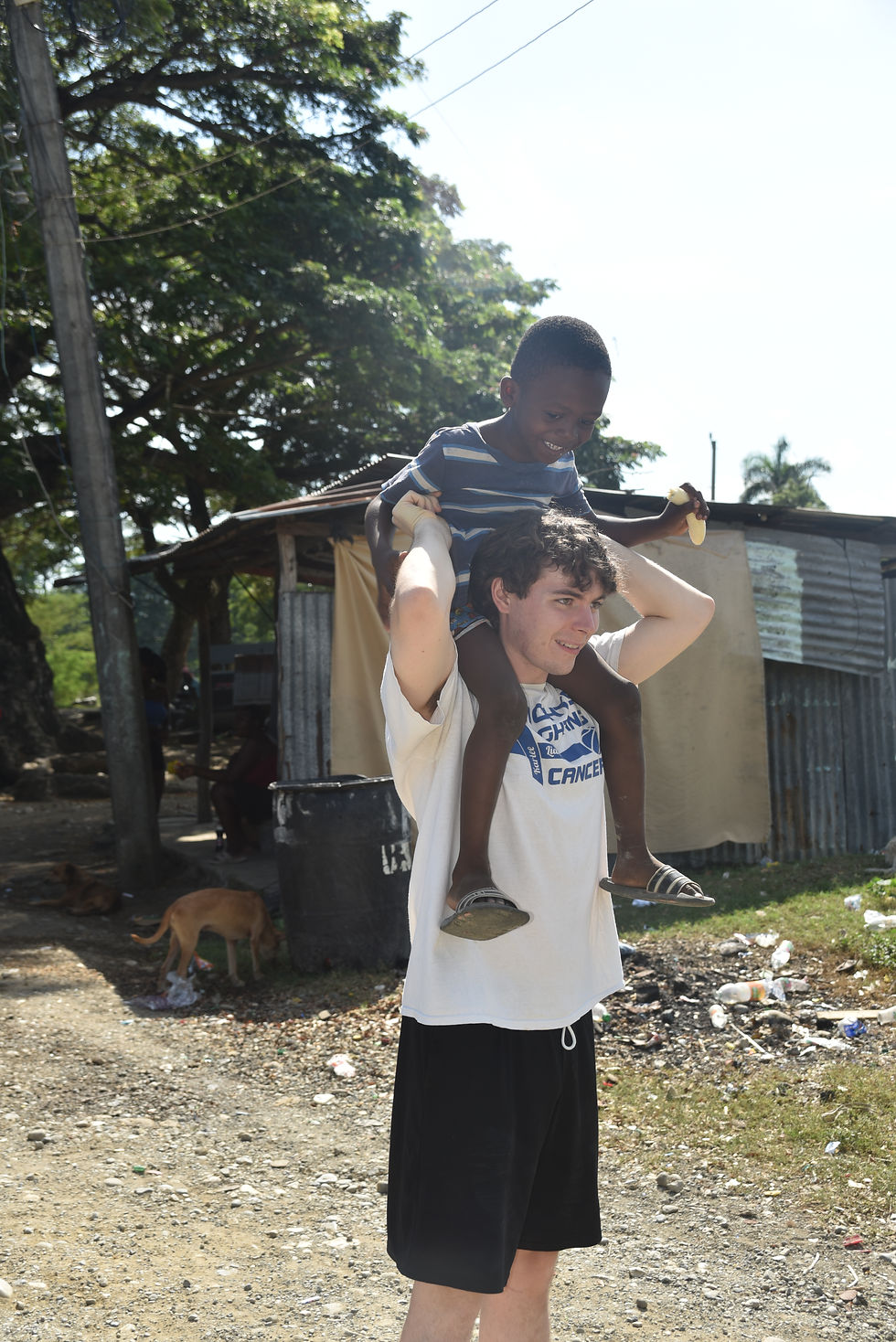
Americans might quietly battle a cold with tissues and NyQuil. My Caribbean friends will make sure every fan within a hundred feet is turned off before they let me rest.
Neither culture has a monopoly on wisdom.
Both have beautiful traditions. Both have quirks. Both have habits that make outsiders scratch their heads.

The longer I live cross-culturally, the more convinced I become that curiosity is better than judgment. When we stop asking, "Why would they do that?" and start asking, "What does this mean to them?" we begin to understand not just different customs, but different ways of caring for one another.
So if you ever visit Haiti or the Dominican Republic and someone grabs your stomach and enthusiastically tells you how fat you've become...
Smile.
You've just been given one of the nicest compliments they know how to offer.
Closing Thoughts
This week’s stories all invite us to see a little differently.
To see the preparation behind every mission team.
To see the future represented by a child waiting for a sponsor.
To see the hope a correct diagnosis can bring to a worried family.
To see the love behind customs and expressions that may initially seem unfamiliar.
Thank you for continuing to walk alongside Mission of Hope International with open hearts, willing hands, and a desire to understand and serve others well.
Together, we are helping bring hope to children, families, and communities across Haiti and the Dominican Republic.


Comments