


The Point: Hope, Service, and Investing in Haiti’s Children
Sunday, August 16, 2026 - [click here to support the continuing work at MOHI]
Today's update is from Jonathan
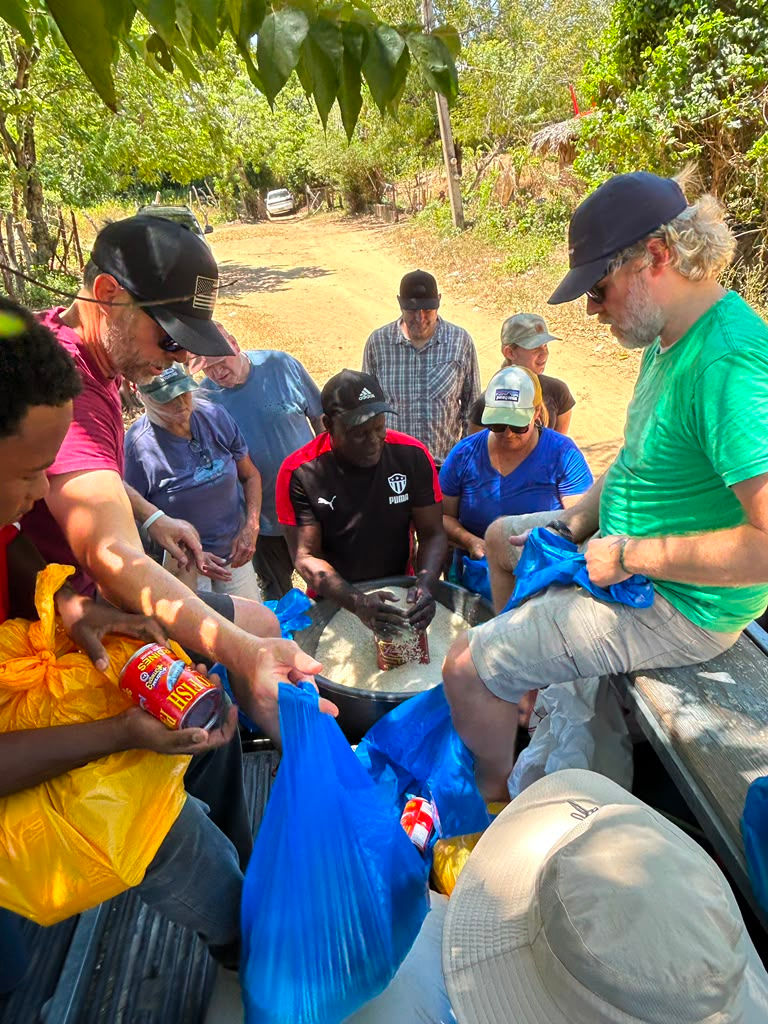
Open-Handed Service
One of the things I most admired about Lex and Renee Edme and Mission of Hope International when I first met them in Grand-Goâve in late 2012 was—and still is—their open-handed service to everyone and anyone in need.
It didn't matter what someone's faith was—or whether they had one at all. It didn't matter what church they attended, or whether they attended a church at all. If there was a need, MOHI stepped in, when and where they could, to help meet it.

Nearly 15 years after I first met the Edme family, it is refreshing to see that their work still surrounds and includes everyone and anyone in need.
Over the years, I've watched MOHI collaborate with church congregations both within and outside their own faith tradition. I've seen them work alongside local, regional, and national governments—including governments that may not always be friendly or sympathetic to the people they are trying to serve. I've watched them navigate difficult circumstances while remaining tireless advocates for the vulnerable.

That kind of cooperation is unique in international humanitarian work.
What's the Point?
What's the point?
It’s normal to struggle with questions about whether or not our efforts matter.

What's the point of sponsoring a child when the country remains in such uncertainty? What's the point of supporting a family when the environment around that family remains so unstable? What's the point of investing in education when so many of the systems around that child are struggling?

This is the point.
Investing in Children Is Investing in Haiti
When we invest in children in Haiti, we are doing much more than paying school fees.
We are helping keep children and their families together.
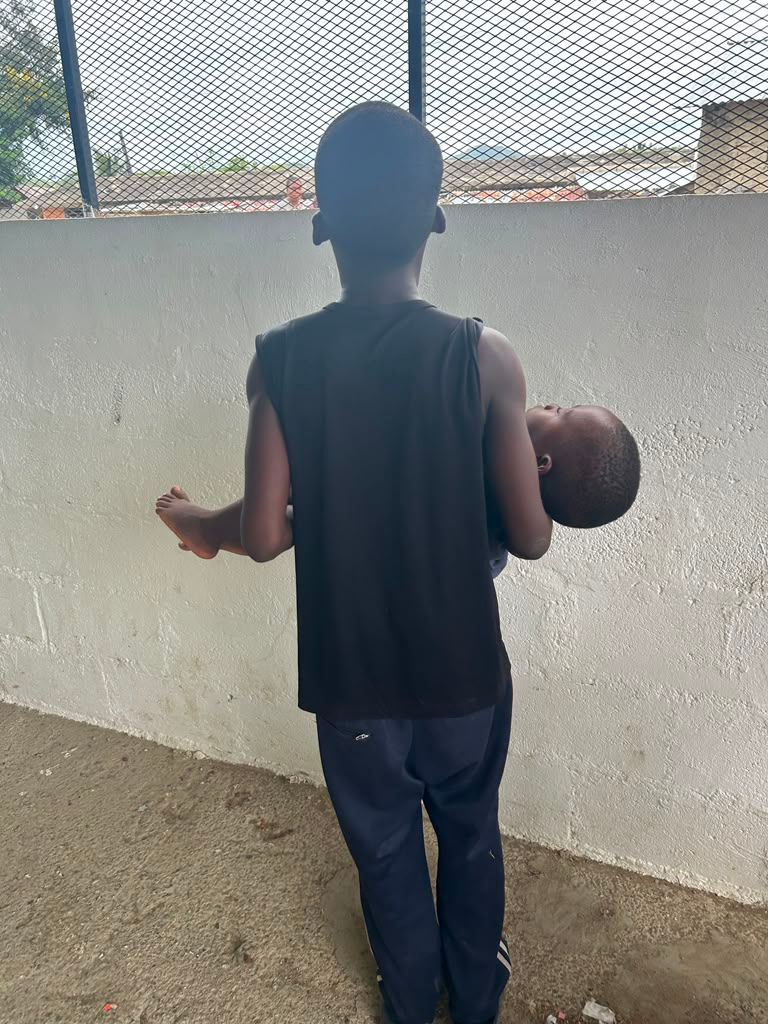
We are helping reduce the economic pressures that can force families to separate or seek survival in places where they may be vulnerable to exploitation.
We are helping keep children in school.
And, in many cases, keeping a child in school also means ensuring that child receives at least one meal each school day.

It means another day where that child is learning instead of being on the streets.
Another day connected to teachers, classmates, mentors, and a community.
Another day away from some of the dangers that can accompany extreme poverty and desperation—drugs, exploitation, gangs, trafficking, abuse, early pregnancy, and armed conflict.

Changing One Child's Trajectory
A sponsorship doesn't solve Haiti's problems.
But it can change the trajectory of one child's life.
And sometimes changing one child's trajectory is exactly where meaningful change begins.

The additional benefit is that a child is becoming educated while growing within a network of relationships and support.
Haitian society has always relied heavily on community. People depend on one another—family, friends, neighbors, churches, community leaders, and, yes, sometimes even strangers from thousands of miles away who decide that a child they have never met is worth investing in.
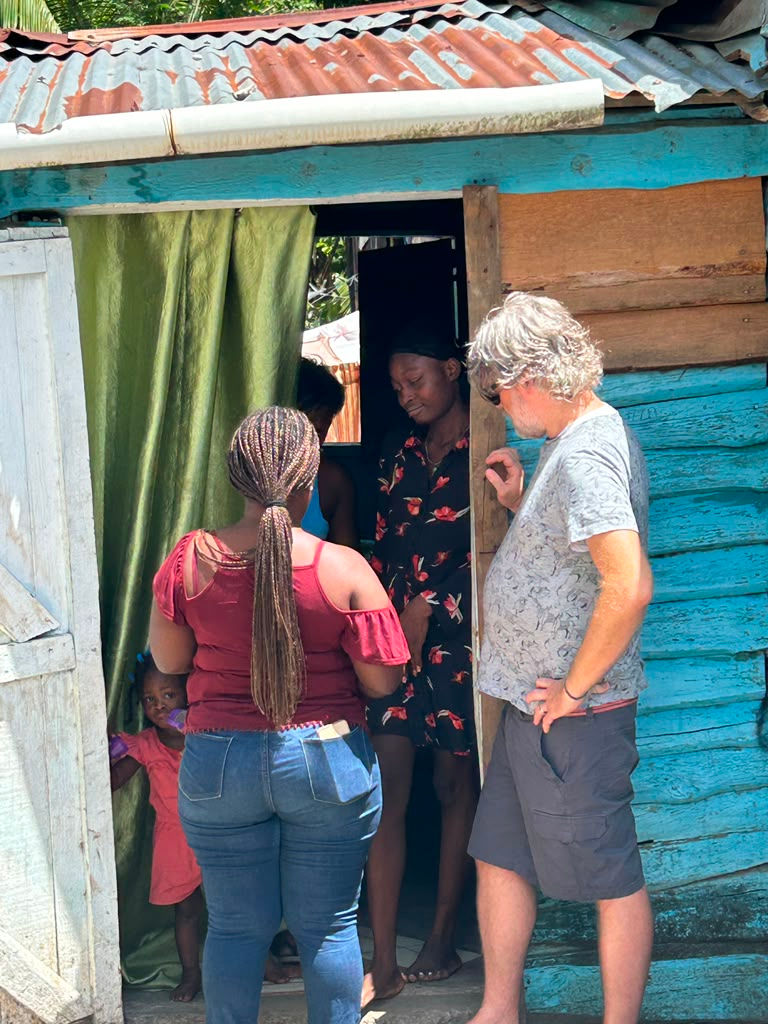
That investment matters.
“Why Doesn't She Go to the Hospital?"
One particular experience from the past few days has stayed with us.
While conducting home visits in Luperón, we visited a family we already knew. As we entered the courtyard, we saw one of the family's young Haitian daughters.
She was covered in an angry, painful-looking rash.

Her skin had erupted into what appeared to be painful sores across her arms, her face, and the back of her neck.
It was difficult to see.
And the obvious question was:
Why doesn't her mother take her to the hospital?
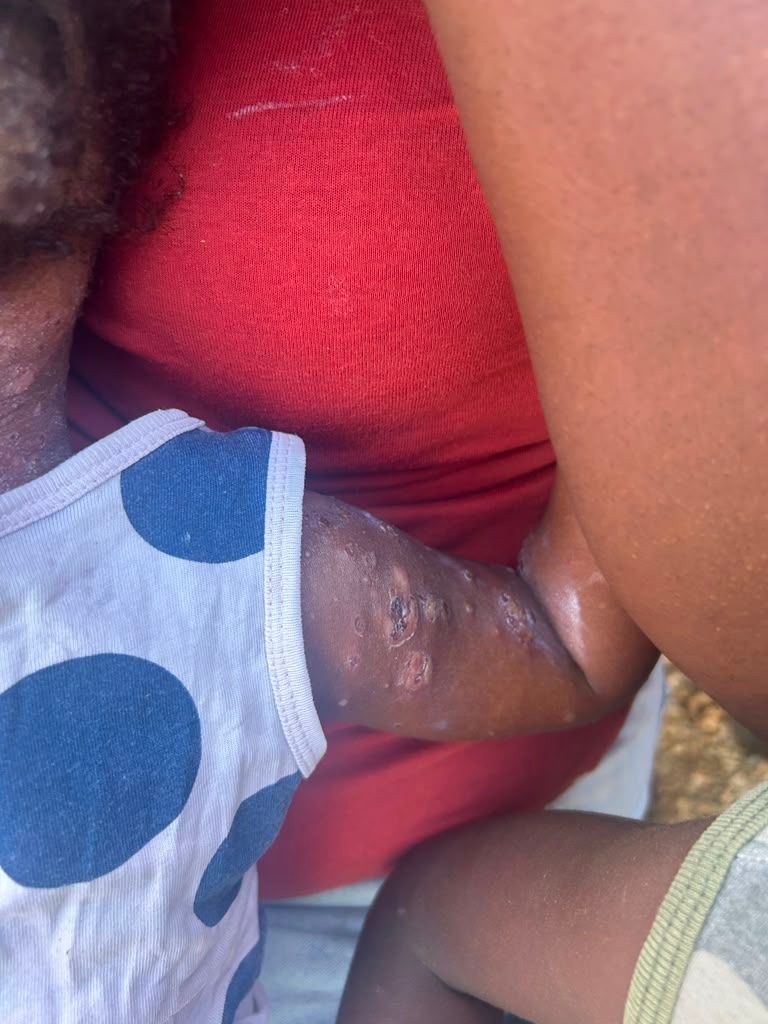
The answer was heartbreaking.
Her mother is afraid that going to the hospital could expose her to immigration authorities and put her at risk of deportation.
So instead, she treats her daughter at home.
She does what she can with the resources she has—including home remedies, some of which may provide relief and some of which may potentially make the situation worse.
Imagine Having to Make That Choice
Imagine that feeling.
Imagine watching your child become sick and knowing that the condition may be treatable with something as simple as a prescription or basic medical care—but being afraid that seeking that care could put your family at risk.
Imagine having to weigh your child's health against the possibility of being separated from your other children.
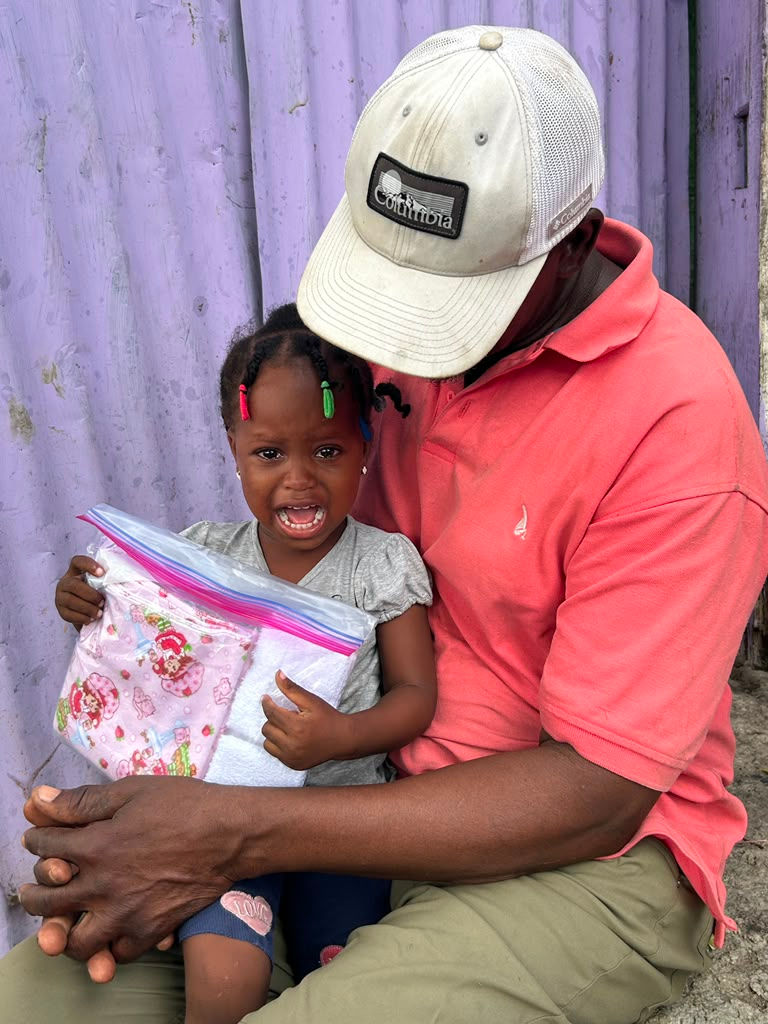
Imagine being a mother and having to make that choice.
That is needless suffering.
And it is exactly the kind of suffering that reminds us why we step into the gaps wherever we can.

We Can't Do Everything. But We Can Do Something.
MOHI cannot solve every problem. Neither can any one organization, church, government, donor, or individual. But if we lead by example and work together, we can step into some of the voids and deliver HOPE to those for whom it seems so far out of reach.


Comments